
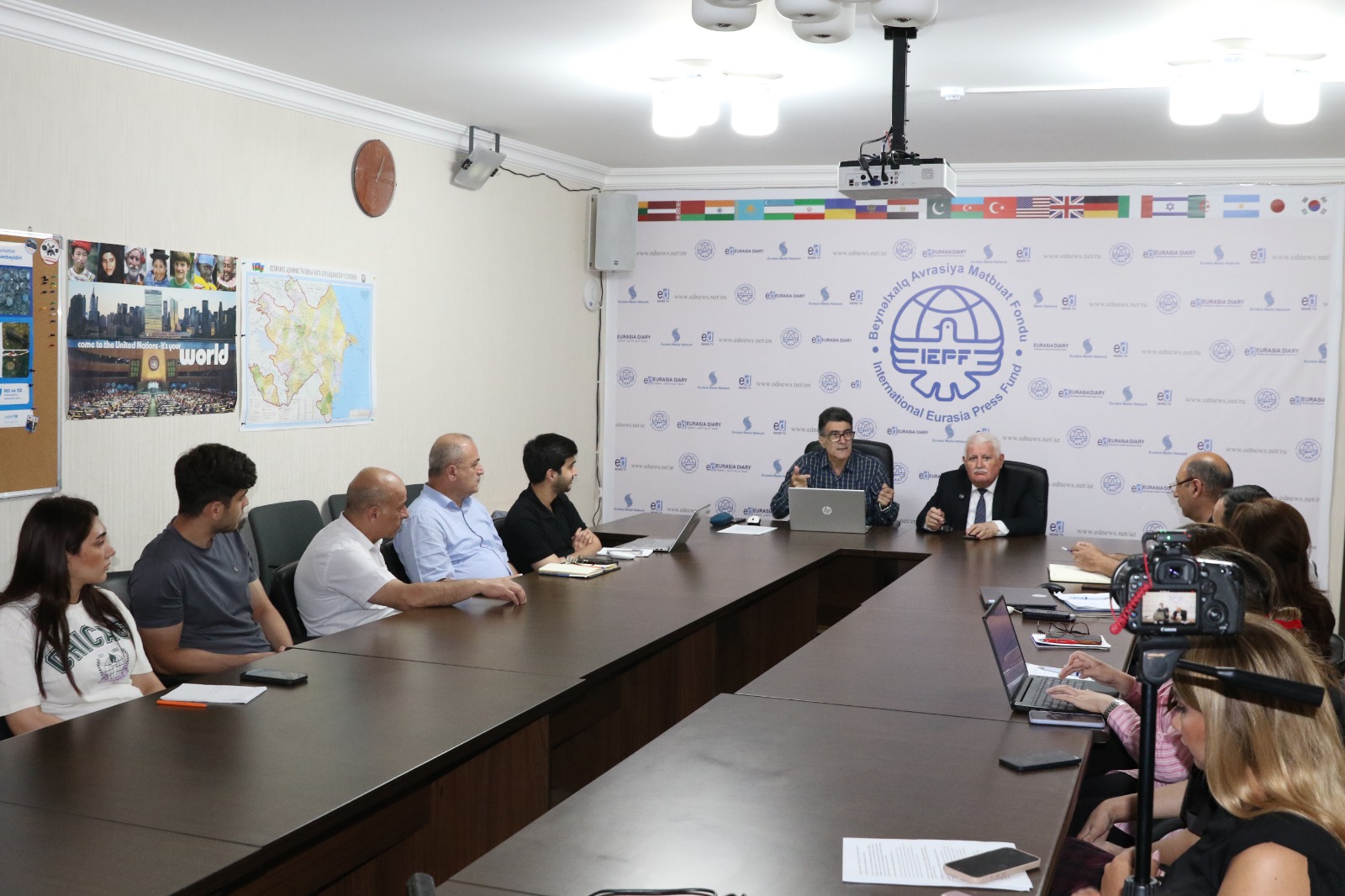
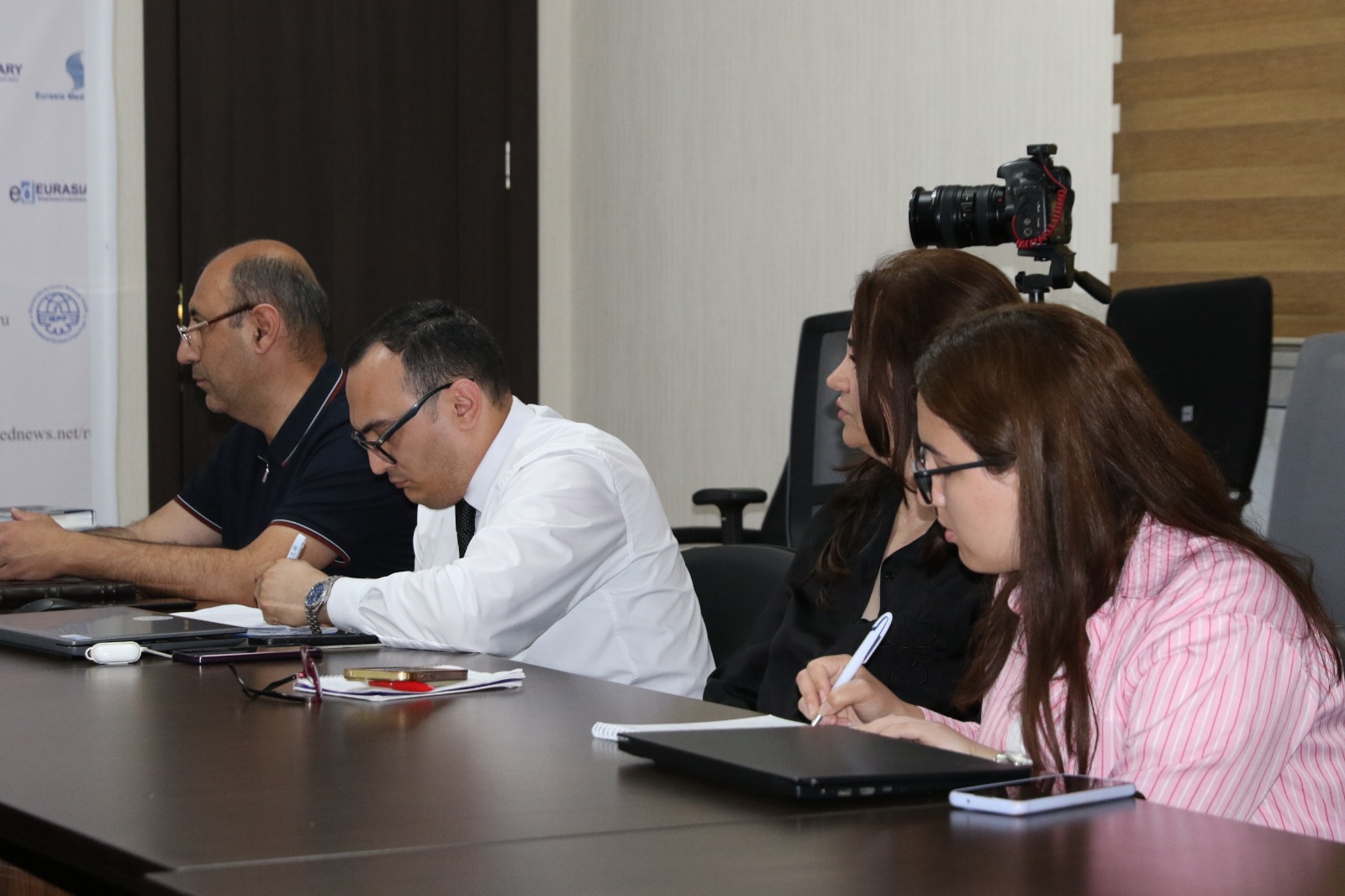
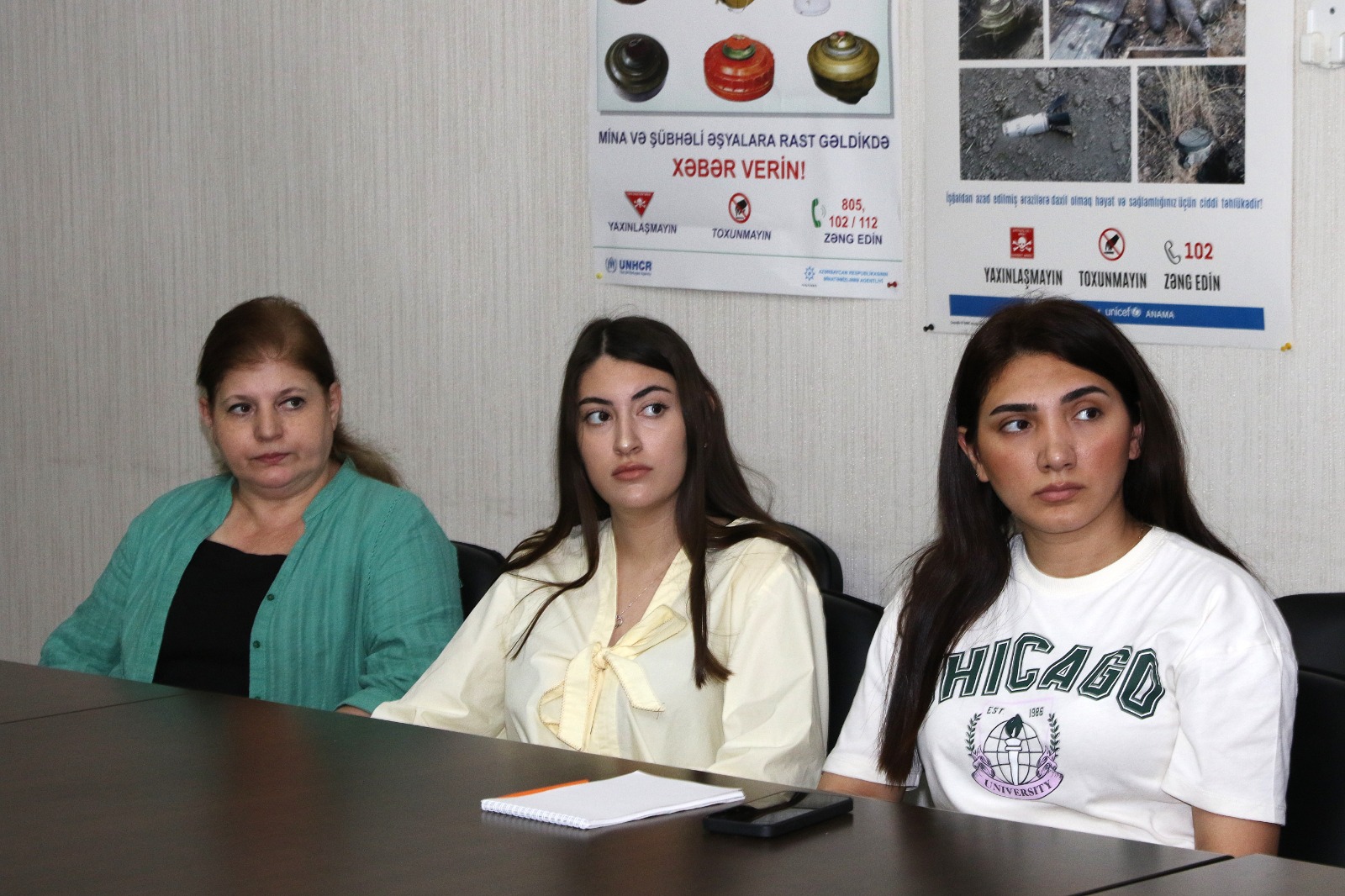
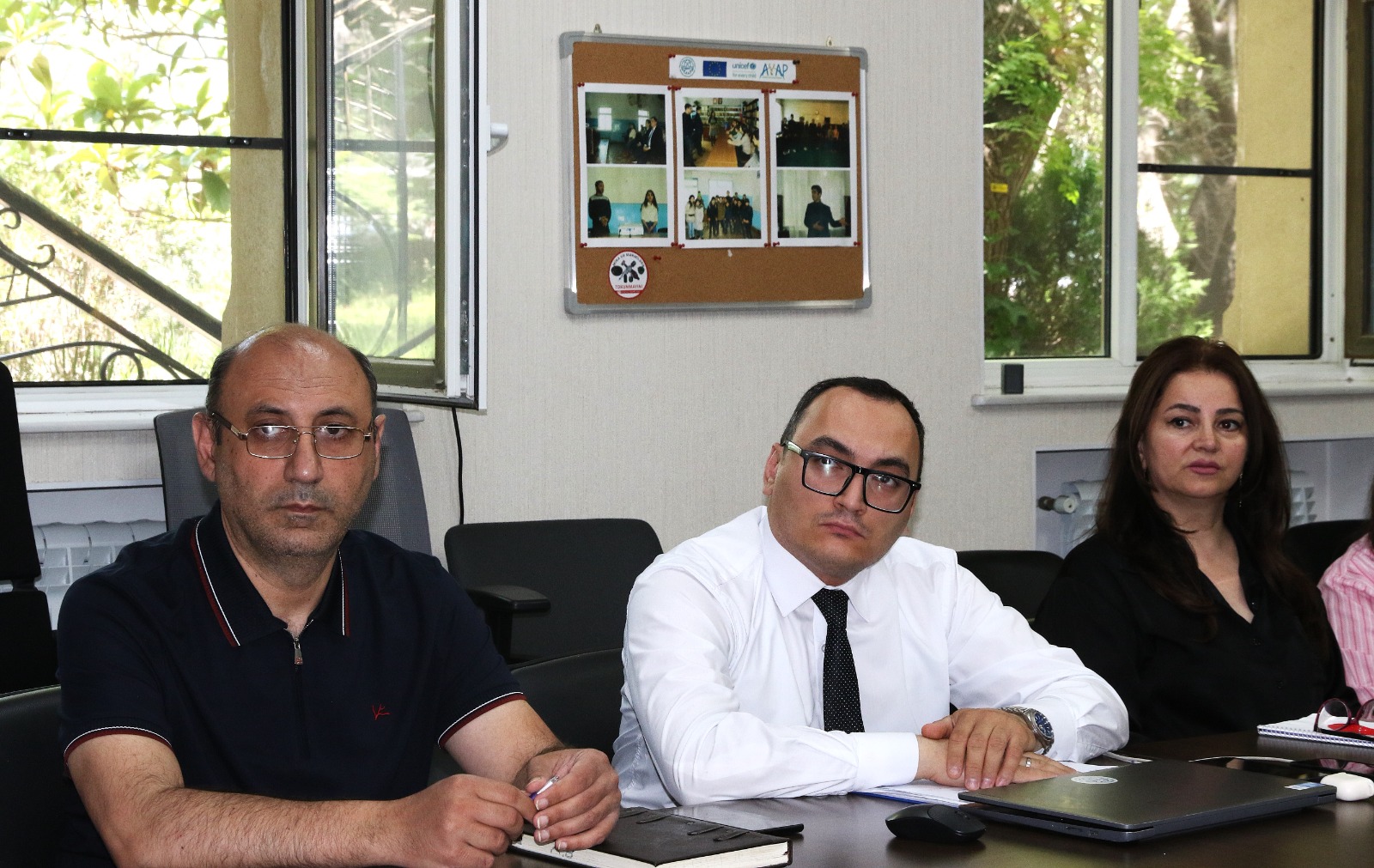
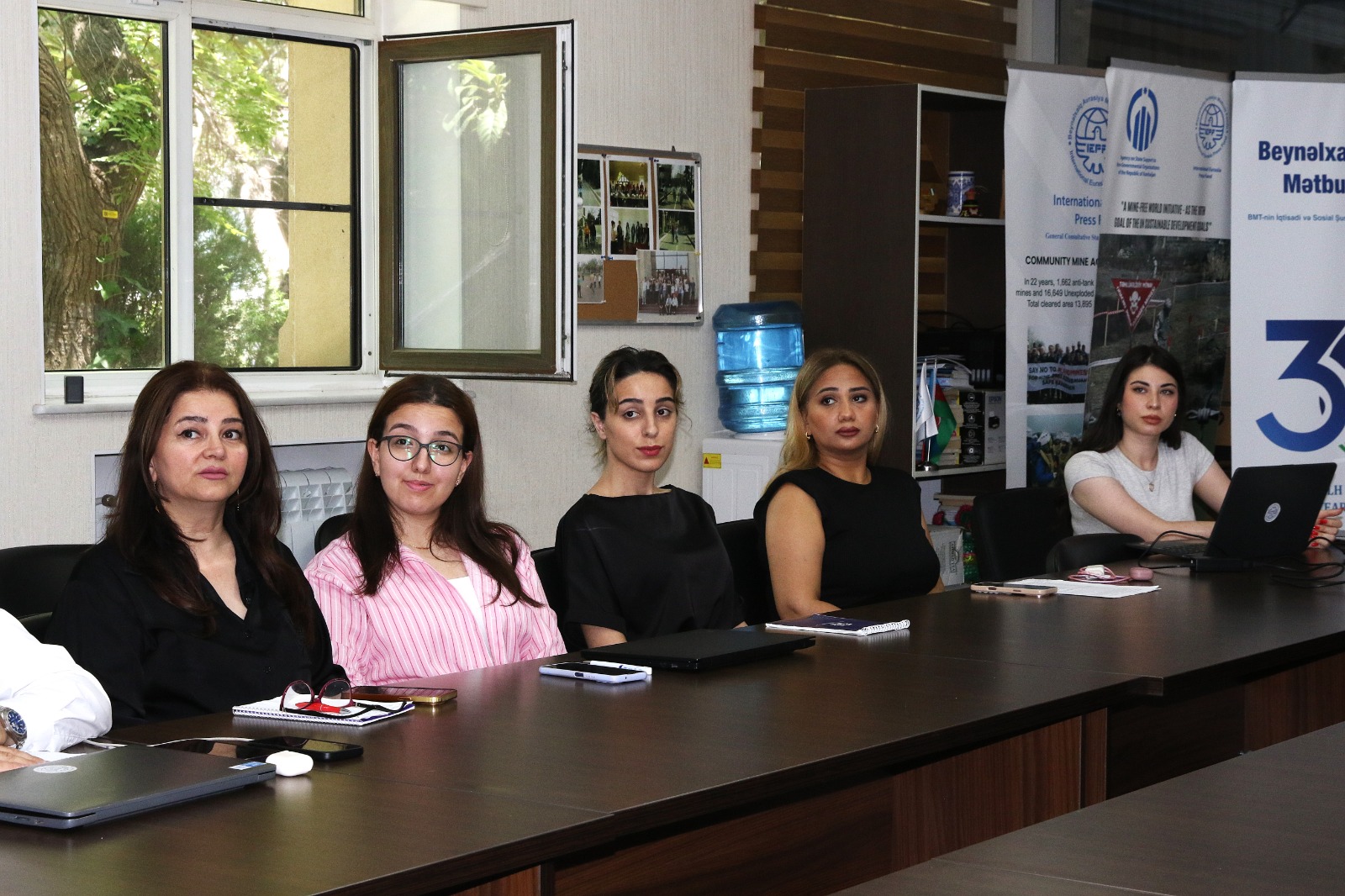
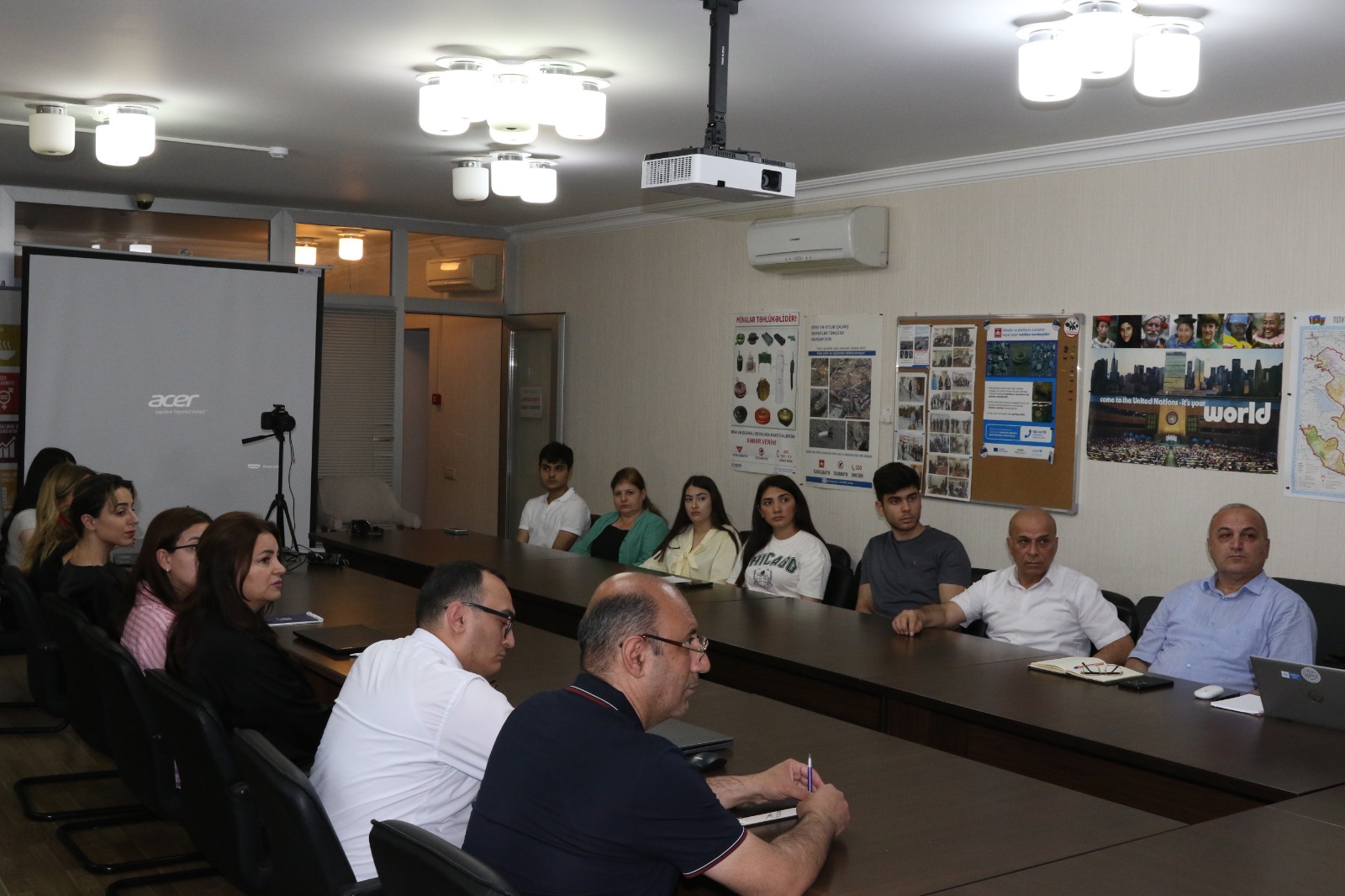
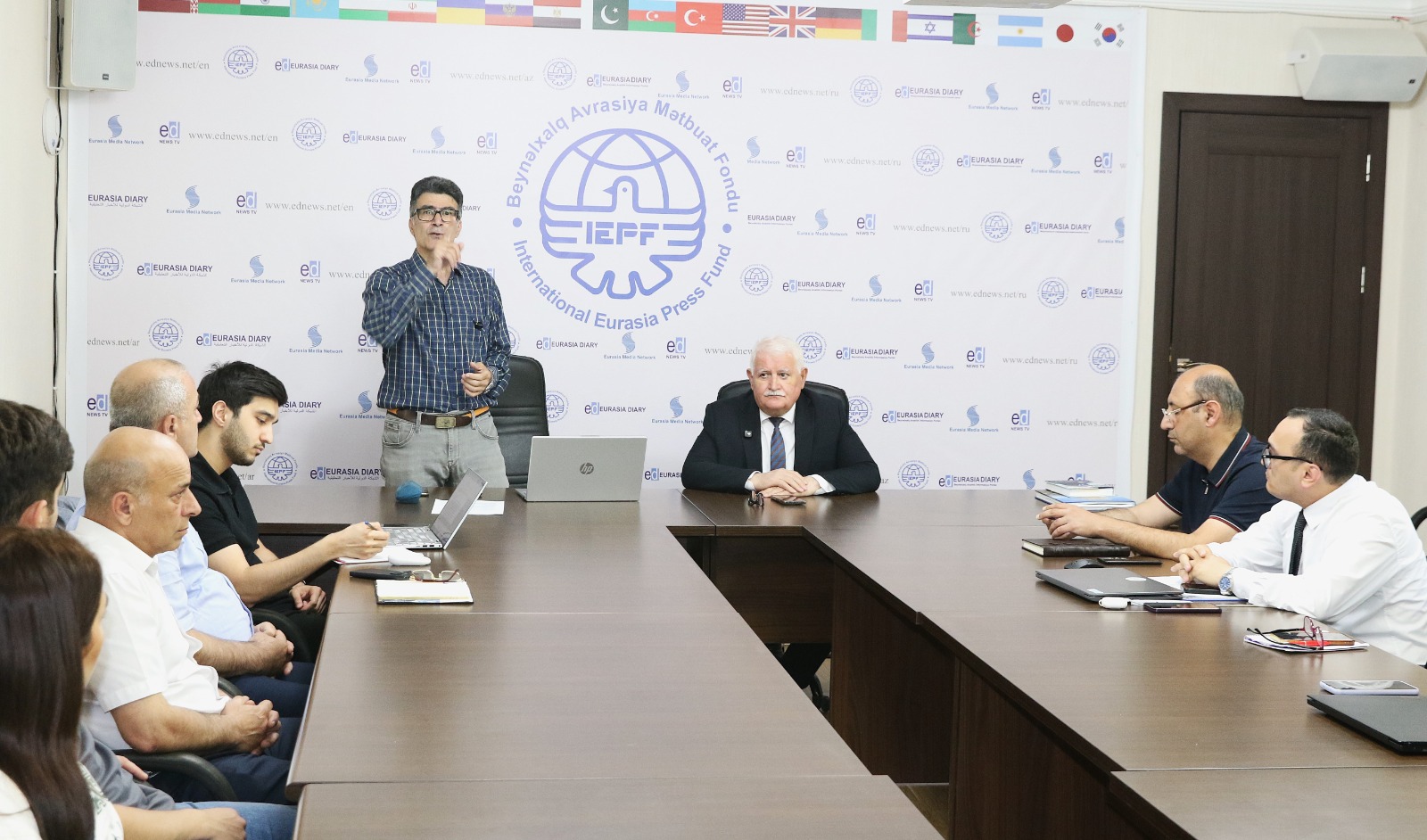
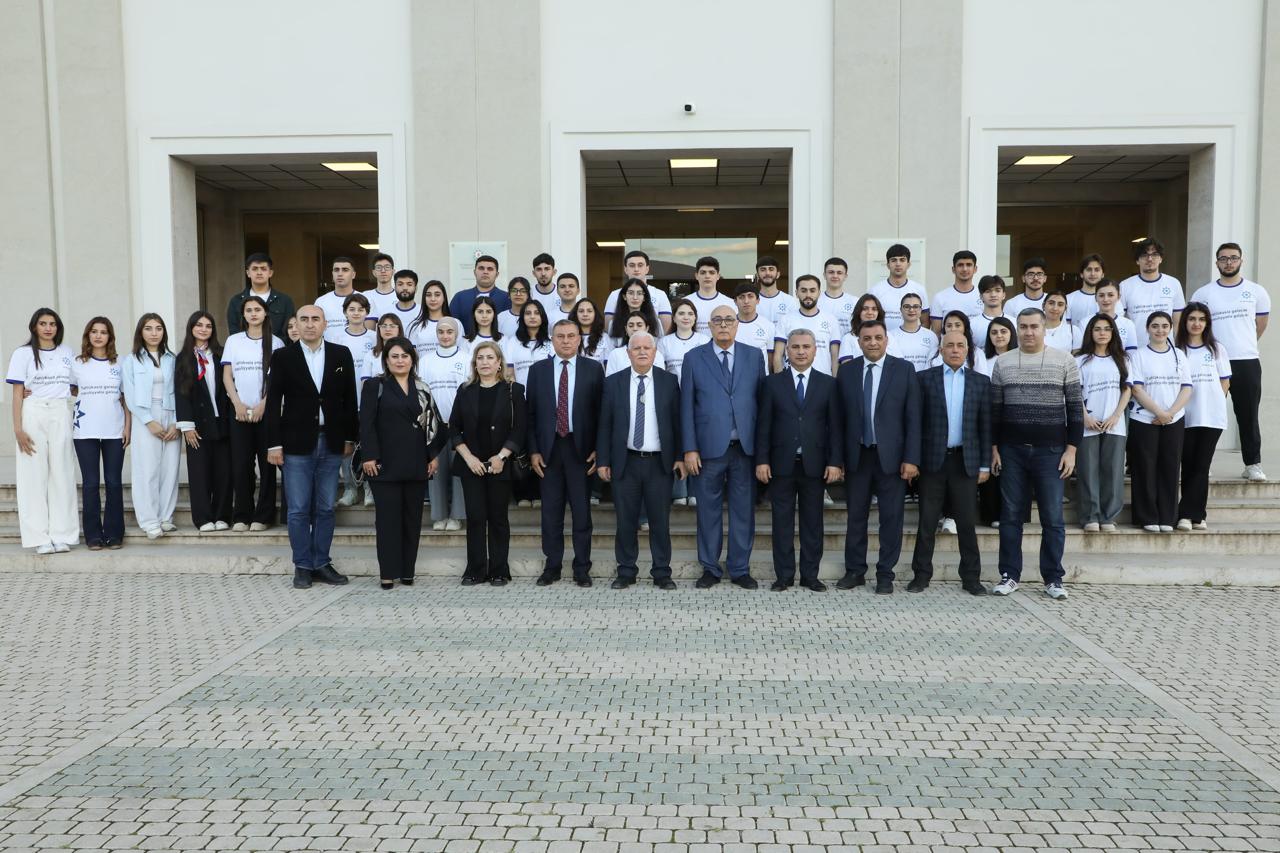
On June 10, the International Eurasia Press Fund (IEPF) hosted a training session entitled “Stakeholders and Responsibilities in the Management of Sustainable Events.”
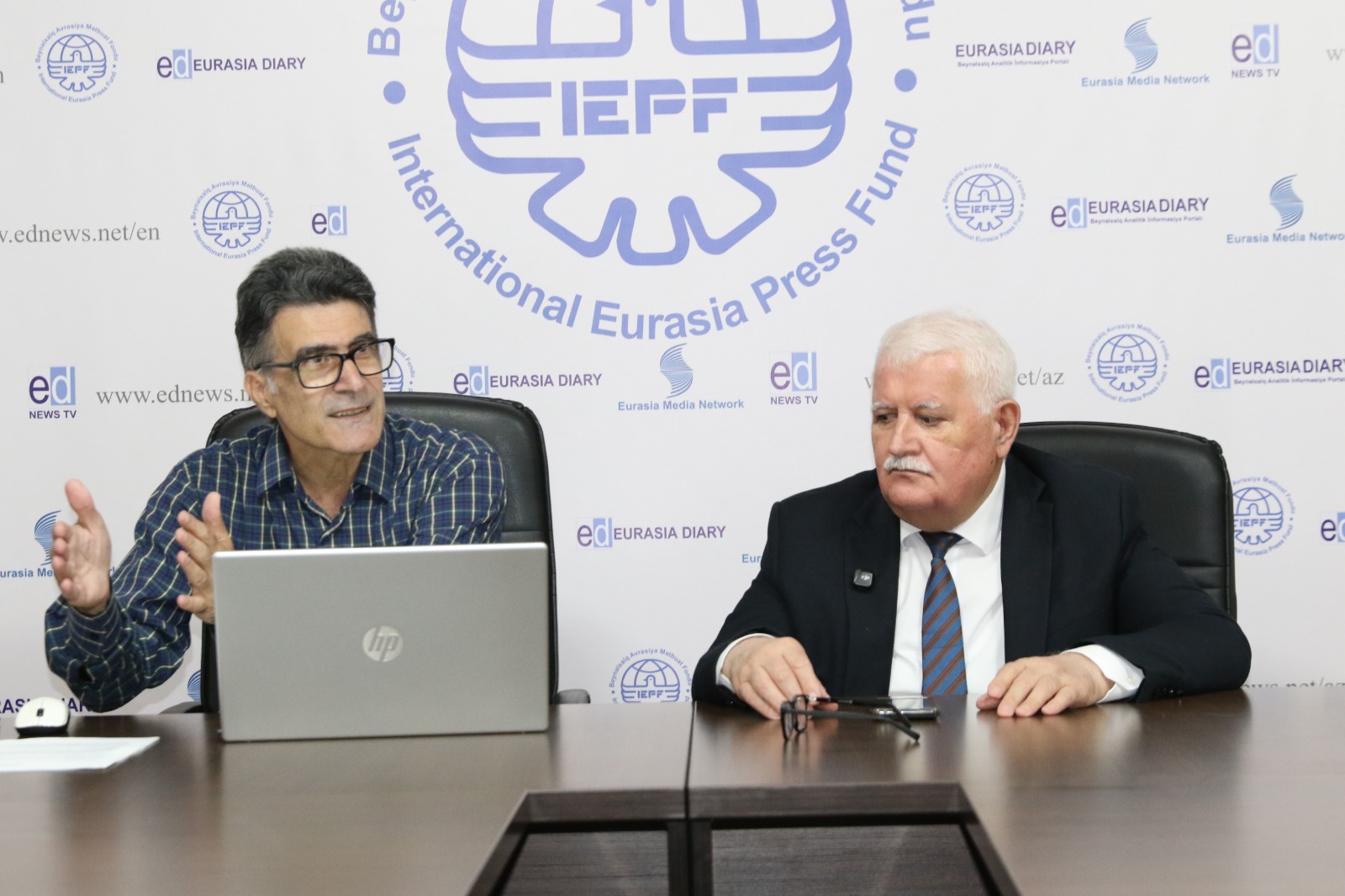
EDnews reports that IEPF President Umud Mirzayev delivered the opening remarks at the training.
In his speech, he emphasized that the concept of sustainable development is of particular importance in the modern era. He noted that this topic is not merely a theoretical approach, but reflects a new world order and worldview in a changing world.
“This is a worldview, a new order of the changing world. The aim is also to ensure that media professionals are informed about this topic in their articles, interviews and materials they prepare,” Umud Mirzayev said.
The IEPF President stressed that raising awareness among journalists and media representatives plays an important role in shaping public consciousness. According to him, several years ago, IEPF organized continuous trainings for journalists on disability-related issues, and those trainings led to certain positive changes in the Azerbaijani media.
“In the past, stigmatizing expressions such as ‘blind’, ‘mute’, ‘physically disabled’, ‘Down’ and ‘autistic’ were often encountered in the media. However, following awareness-raising activities, a significant number of journalists covering this field have begun to move away from such expressions. Instead of saying ‘a child suffering from autism’, proper terminology such as ‘a child with autism spectrum disorder’ and ‘a person with Down syndrome’ should be used,” he added.
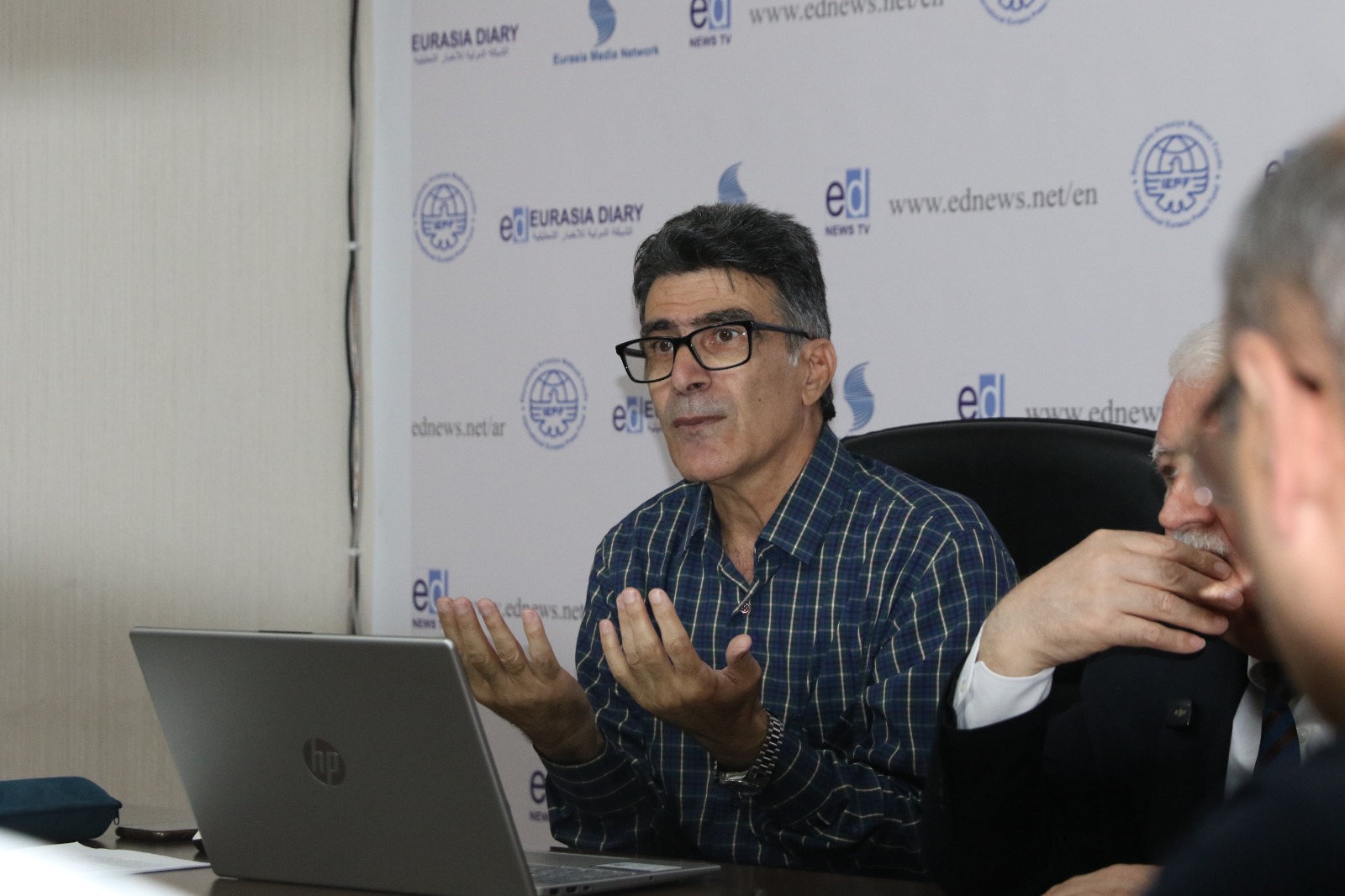
Trainer Sahib Mammadov, Chairman of the Citizens’ Labor Rights Protection League and a member of the Bar Association, spoke about the importance of principles such as environmental responsibility, efficient use of resources, stakeholder engagement and social responsibility in the organization of events.
He noted that both environmental impact and social responsibility factors should be taken into account during the planning and implementation of such events:
“When organizing an event, usually only guests and participants are considered the main stakeholders. In fact, especially when holding a sustainable event, this circle is much broader. First of all, it includes the event organizing team. They must establish proper communication with staff and volunteers and define a clear position on the sustainability aspects and values of the event. Secondly, it includes the guests and participants of the event, including persons with additional needs, international organizations, government and non-governmental organizations, sponsors and partners, the media and local communities. Thirdly, it includes product and service providers, as well as representatives of regional businesses. They will most likely not participate directly in your event, but they may be involved in the preparation stage: they may receive requests from you regarding sustainable procurement for the organization of the event, provision of the venue, catering and other necessary services.”
Sahib Mammadov also drew attention to the framework document on cooperation in sustainable development between the United Nations and the Government of the Republic of Azerbaijan:
“The ‘United Nations Sustainable Development Cooperation Framework between the United Nations and the Government of the Republic of Azerbaijan’, signed on October 24, 2025, between the Republic of Azerbaijan and the UN Country Team, identifies two strategic priorities covering the years 2026–2030: strengthening inclusive socio-economic growth and human development, and promoting ecosystems and climate resilience, green growth and a just transition.”
As part of the training, discussions were held on topics such as “What is a sustainable event?”, “Stakeholders and the four main principles in organizing sustainable events” and “What are environmental impact and ecological footprint?”
During the discussions, views were exchanged on Azerbaijan’s sustainable development goals until 2030, initiatives implemented within the framework of cooperation with the UN, and the role of civil society institutions in this process.
.png)
.jpg)

.jpg.jpeg)