
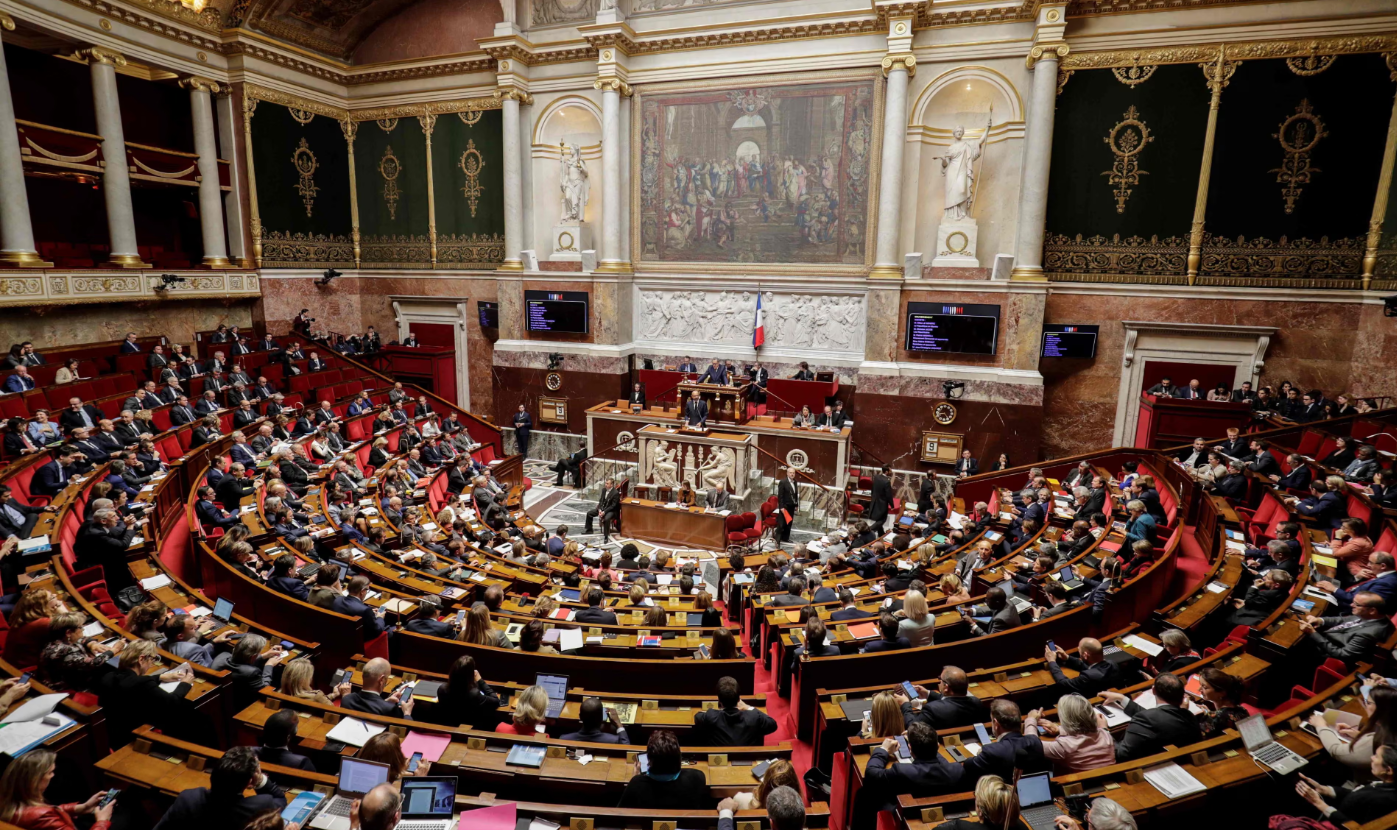
A no-confidence motion against the French government failed in parliament after opposition lawmakers attempted to challenge its handling of a severe heatwave that struck the country in late June, amid rising concerns over climate-driven health emergencies and wildfires.
The motion, filed by France’s Green Party, needed 289 votes to pass but was backed by only 132 members of parliament, leaving the government of Prime Minister Sebastien Lecornu intact, according to French media reports on Monday.
Supporters of the motion argued that the government had not done enough to mitigate the impacts of last month’s extreme temperatures, in a country where 2,025 excess deaths have been recorded so far. French health authorities have warned that the toll is likely to increase as further data becomes available.
Speaking ahead of the vote, Lecornu defended his administration’s response and strongly criticised the opposition initiative.
“No one is fooled. This motion will not protect an isolated elderly person. It will not cool down a hospital room. It will not modernise a water supply network. On the contrary, it will add a political crisis to climate, healthcare and international crises that the government already must deal with,” he told lawmakers.
He also accused the motion’s backers of political opportunism, saying they were “exploiting the victims” of successive heatwaves. “Above all, this motion of censure, according to him, aimed ‘to test the balance of power on the left, to exert pressure on its various components, and to distribute labels of opposition before the presidential election,’ he declared. “No one is fooled,” he added.
The failed vote came as firefighters in southwestern France battled a wildfire that has forced the evacuation of 10,000 people, underscoring the wider strain placed on emergency services during an early summer marked by repeated heat extremes.
Across France and much of western Europe, early-season heatwaves have left landscapes unusually dry and vulnerable, with authorities warning that temperatures are set to rise again in the coming days—raising fears of further fires and additional pressure on public health systems.

.jpg)




.jpg.jpeg)