
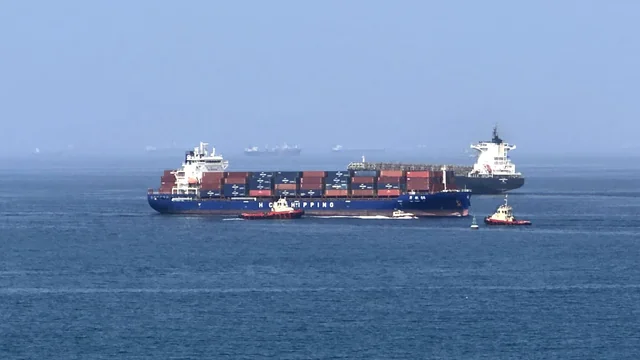
Iran has shipped about 60 million barrels of crude oil since a US naval blockade was paused in mid-June, tanker monitoring service TankerTrackers said.
In a post on US social media platform X, TankerTrackers said Iran had managed to move the volume during a period in which restrictions on its oil flows had eased.
It added that if the blockade were to resume amid escalating regional tensions, Iran would be left with around 50 million barrels of crude oil and refined products.
The figures point to the scale of Iran’s oil exports during the brief window opened after maritime pressure in the Gulf eased, while also underlining risks to Tehran’s energy trade if the security situation deteriorates again.
Iran’s oil shipments have been closely watched by traders and shipping markets, as any renewed disruption could tighten regional supply flows and add to volatility in global crude prices.
The latest assessment comes amid renewed strain in the Middle East following fresh US strikes on Iran and Washington’s decision to revoke a waiver that had allowed Iranian oil sales on global markets.
Those developments have fueled fears of further disruptions in and around the Strait of Hormuz, a vital route for global oil and gas shipments.
Oil prices have reacted sharply to the renewed tensions. Brent crude rose around 6.5% to about $79 per barrel on Wednesday, bringing its gains for the week to more than 7%.
Market participants have been monitoring tanker movements through the Strait of Hormuz, as any renewed blockade or military escalation could deter shipowners, disrupt exports from the region and put upward pressure on energy prices.
Tankers carrying crude, refined products and liquefied gas have faced heightened scrutiny since the conflict intensified, with shipping risks and insurance costs also remaining in focus.
.jpg)
.jpg.jpeg)