
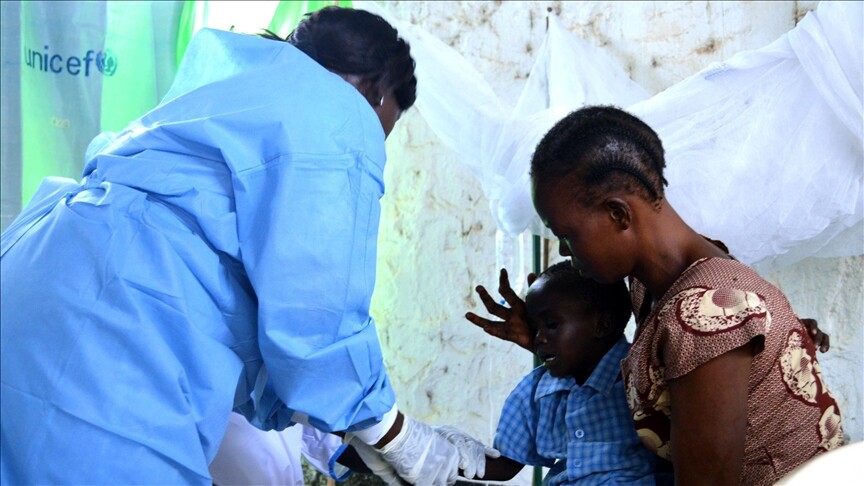
A cholera outbreak has killed more than 40 people and infected over 3,000 others across seven local government areas in Nigeria's northeastern Borno State, according to government figures and local residents.
The outbreak, recorded between May 1 and May 28, has spread across 139 communities in Maiduguri, Jere, Mafa, Konduga, Monguno, Ngala and Magumeri local government areas, making it one of the state's most serious public health emergencies in recent years.
Saleh Abba-Kaza, executive secretary of the Borno State Contributory Healthcare Management Agency, said the first suspected cases were reported on May 1 and the outbreak was confirmed on May 4.
He said more than 100 new infections were recorded within a 24-hour period, with Maiduguri Metropolitan Council accounting for the highest number of cases.
“Maiduguri has recorded more than 2,000 infections, while neighboring Jere has reported over 1,000 cases,” he told reporters in Maiduguri on Sunday.
Speaking to Anadolu on Tuesday, Dauda Iliya, spokesperson for Borno Governor Babagana Zulum, said the state government had intensified efforts to contain the outbreak by supplying medicines and hygiene materials to treatment facilities.
“The state government had supplied drugs and medical consumables to treatment facilities to ensure patients receive treatment free of charge. Public health officials have also launched community awareness campaigns in collaboration with traditional institutions.”
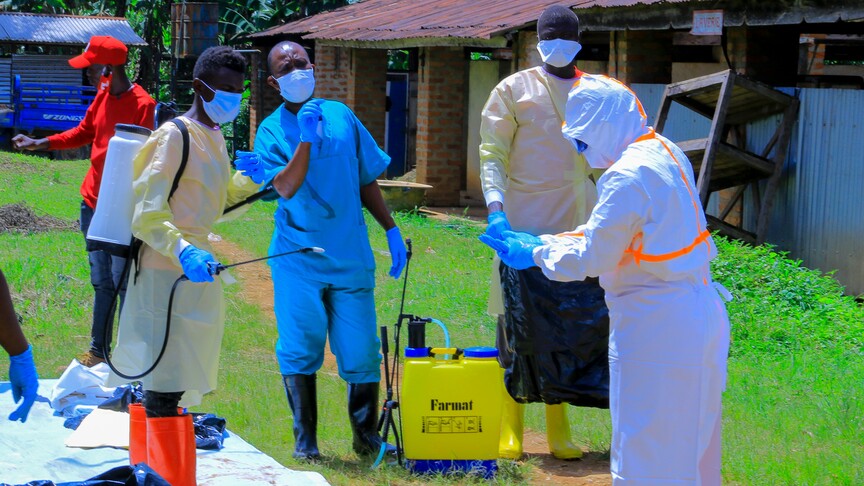
As of Tuesday morning, authorities had also distributed water, sanitation and hygiene materials, including chlorine tablets, disinfectants and spraying equipment, to affected communities as part of broader containment measures.
Medical facilities in Maiduguri and neighboring Jere have struggled to cope with the growing number of patients.
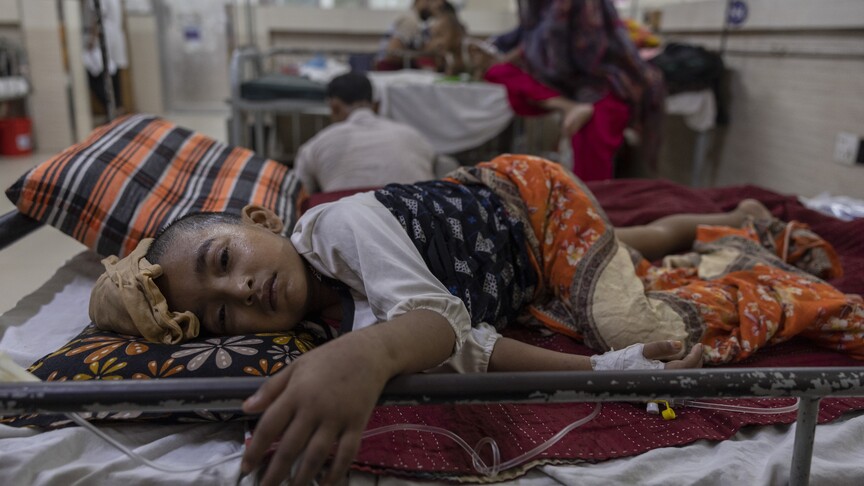
At the Cholera Treatment Centre at Brigadier-Generals Abba Kyari General Hospital in Nganaram, dozens of patients were reportedly receiving treatment at the same time, with some forced to lie on floors because of overcrowding.
Women and children account for a significant share of those affected by the outbreak.
A health worker at the facility, who requested anonymity because he was not authorized to speak publicly, described the situation as critical.
"Just this morning, we have received over 30 cases today," the worker said, adding that the facility was struggling to handle the increasing number of patients.
In Shokari, a community in the Maiduguri metropolitan area, resident Abubakar Makah said he lost his mother to the disease.
"She started vomiting, then came diarrhoea. Before we could do anything, she gave up," he said, adding that several other residents in the community had also been infected.
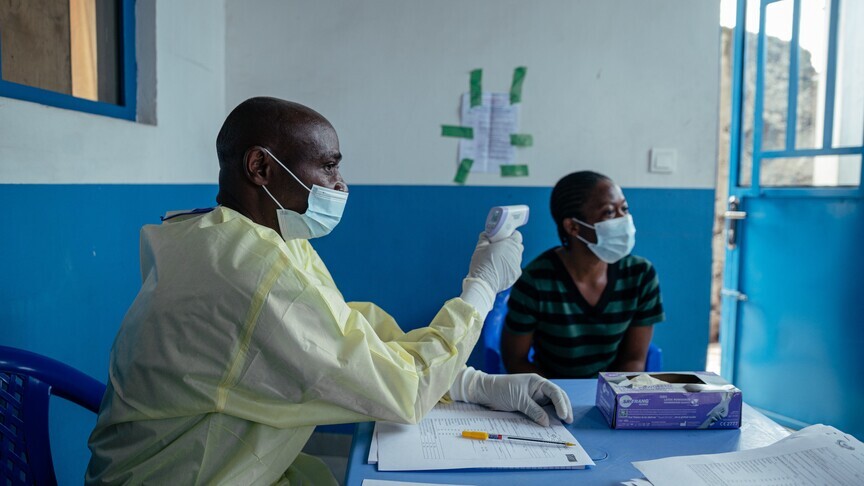
Healthcare workers in affected communities have also raised concerns about reluctance among some residents to seek treatment at health facilities.
State authorities and health experts have linked the outbreak to unsafe water sources, poor sanitation and overcrowded living conditions, particularly in camps for internally displaced persons (IDPs).




.jpg.jpeg)